
Al-Fuhais in a few lines
Al-Fuhais is an ancient town with deep roots in history. Al-Fuhais has been called by several names, and its name is derived from examination and scrutiny. The city was famous for its military location in the middle of three kingdoms: Ammon, Heshbon and Gilead. The Romans inhabited Al-Fuhais in 64 BC and used its castle as a watchtower to protect their convoys.
The present Fuhais
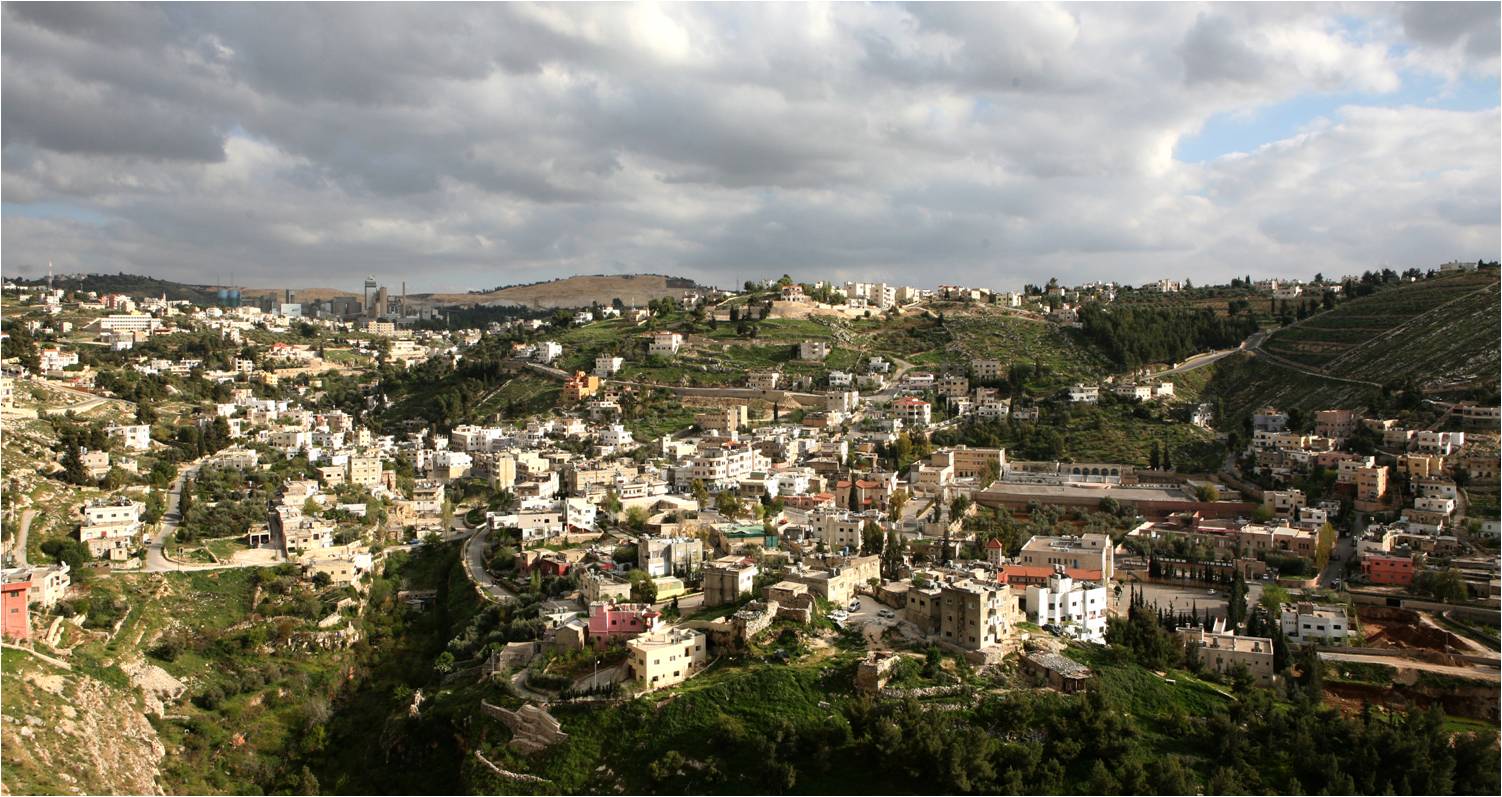
Fuheis is now a beautiful rural town that has kept pace with the modern renaissance of the Hashemite Kingdom of Jordan. Its people have been called “the horse boys” for their chivalry and generosity. It is the pearl of Balqa Governorate and is famous for its trees, vineyards and forests. Fuheis was named a municipality in 1962.
Area
The area of Fuhais is 17,258 km2.
Population and demographics
The population of Al-Fuhais city was 20,427, including 10,887 males and 9,540 females according to 2018 estimates. While the population was 18,916, including 10,080 males and 8,836 females according to the 2015 population census. According to the 2004 population census, their number was 11,641, including 6,007 males and 5,634 females. The population density according to 2018 estimates was (1,201.6 people/km2), and according to the 2015 census (1,112.7 people/km2).
Male to female ratio
The ratio of males to the population was 0.53, while the ratio of females to the population was 0.47, according to population estimates of the general statistics for the year 2018.
Commercial professions
Al-Fuhais residents practice many commercial, craft and agricultural professions, and some light industries such as the manufacture of alcohol, chips, juices, chocolate and sweets. The people of this city also hold many governmental and private positions and jobs. They enjoy distinguished scientific and practical competencies and abilities, and a high level of intellectual progress and maturity open to civilization and progress, and preservation of the authentic heritage character rooted in identity and place.